System thinking inspires front-end confidence
Confident UX delivers 4 key ingredients to magic moments for airline passengers.
Lead UX Designer & Researcher
Decision about design strategy for MVP
Generated clear understanding and alignment on strategy
Interaction design artifacts: workflow maps, user stories, and wireframes
Sign off on visual design of interactive prototype
Lead design communication across 3 collaborative teams
Delivery of presentations and work artifacts to client


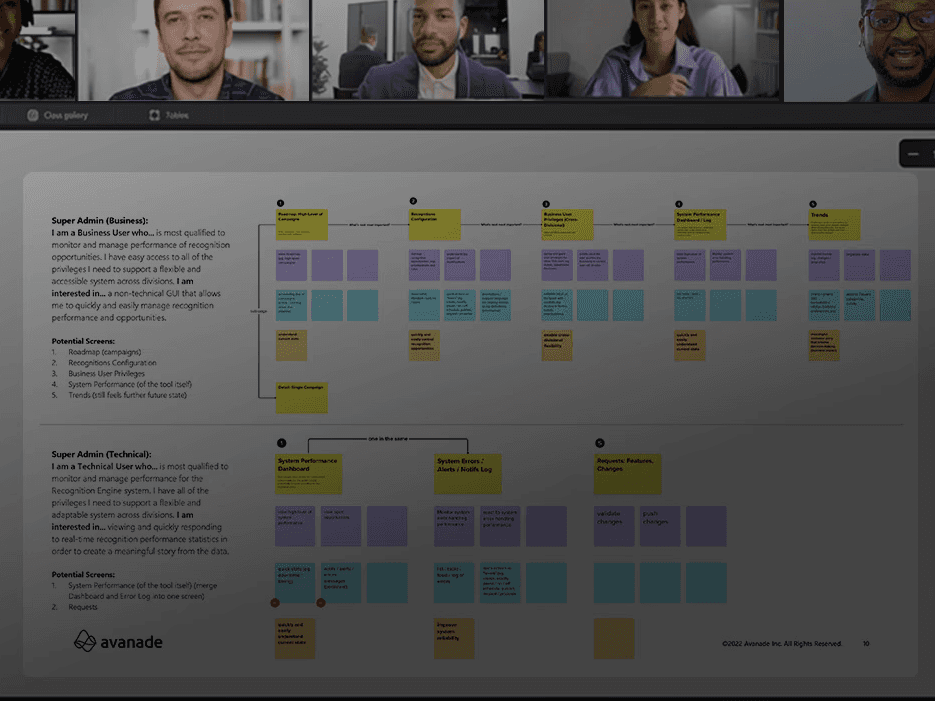
Fast pace
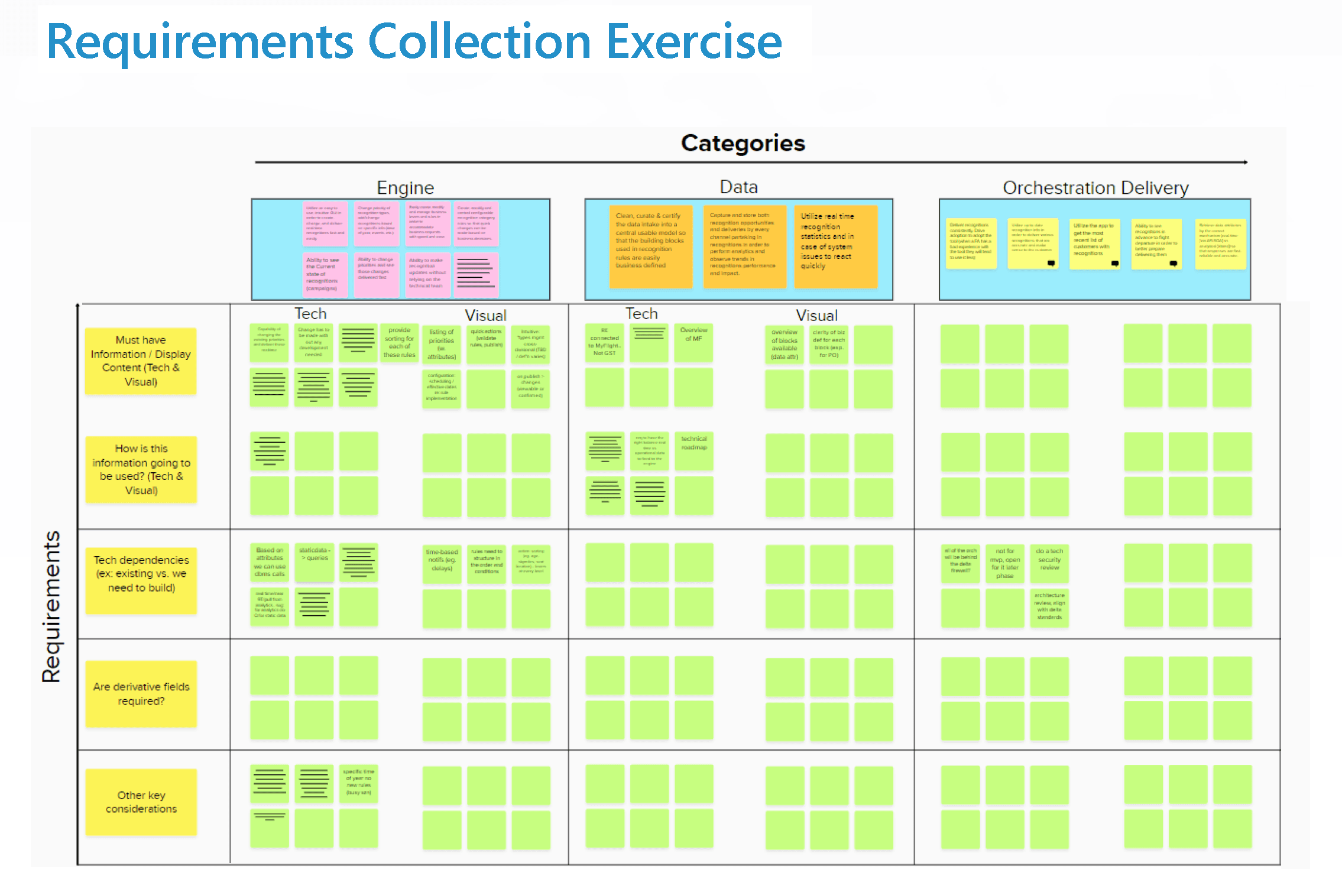
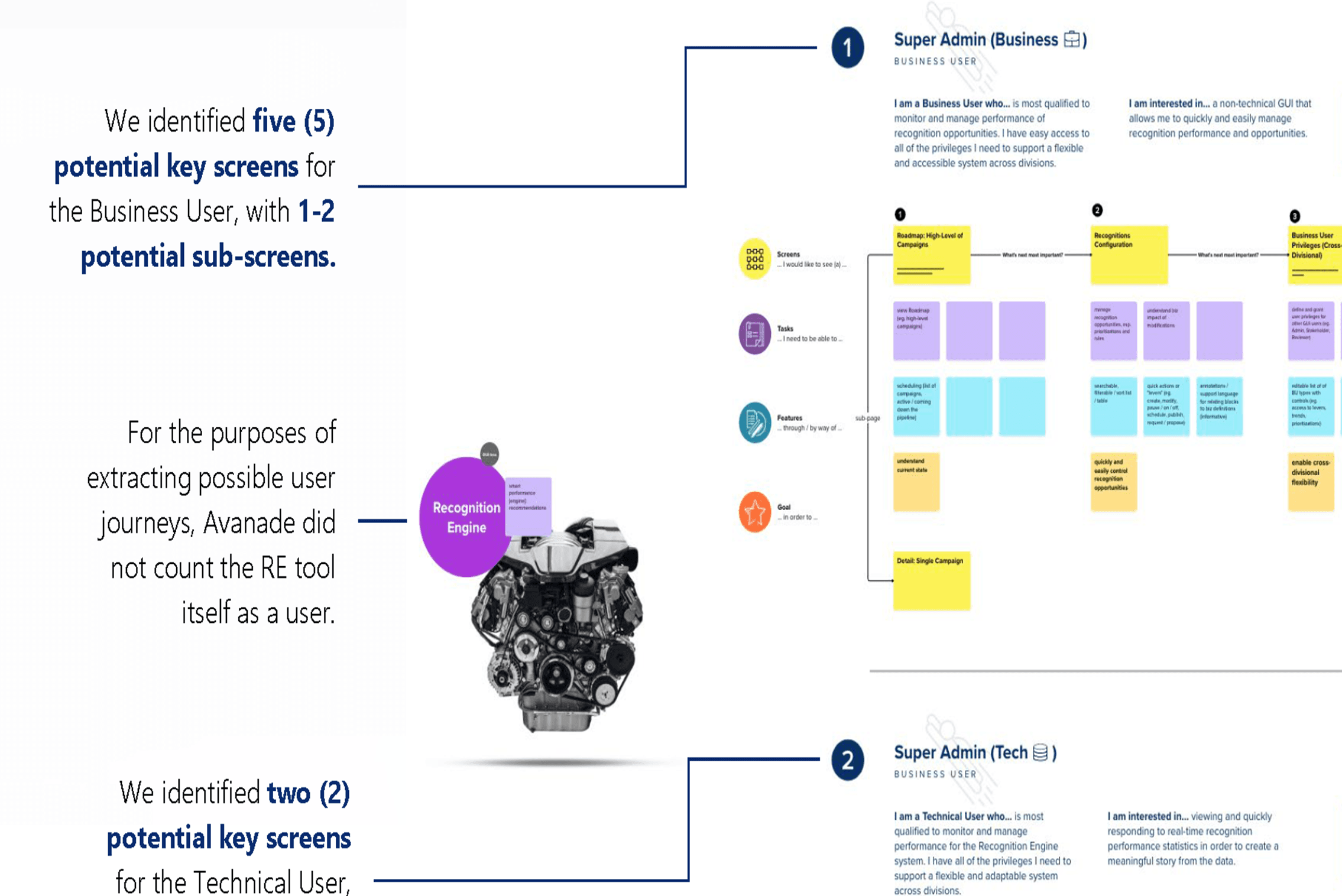
What do we build to have the most impact on "magic" passenger moments?
Prototype: app for the flight crew
backend system to support team
→ Fix backend system
✓ Empowers crew
✓ Capture Passenger moments
→ Protect Brand Promise
Design Decisions that Impacted Business
Delayed responses, left the in-flight crew without timely data relevant to moments to deliver in the cabin.
Before Design

Backend User
Tech user & Analyst user
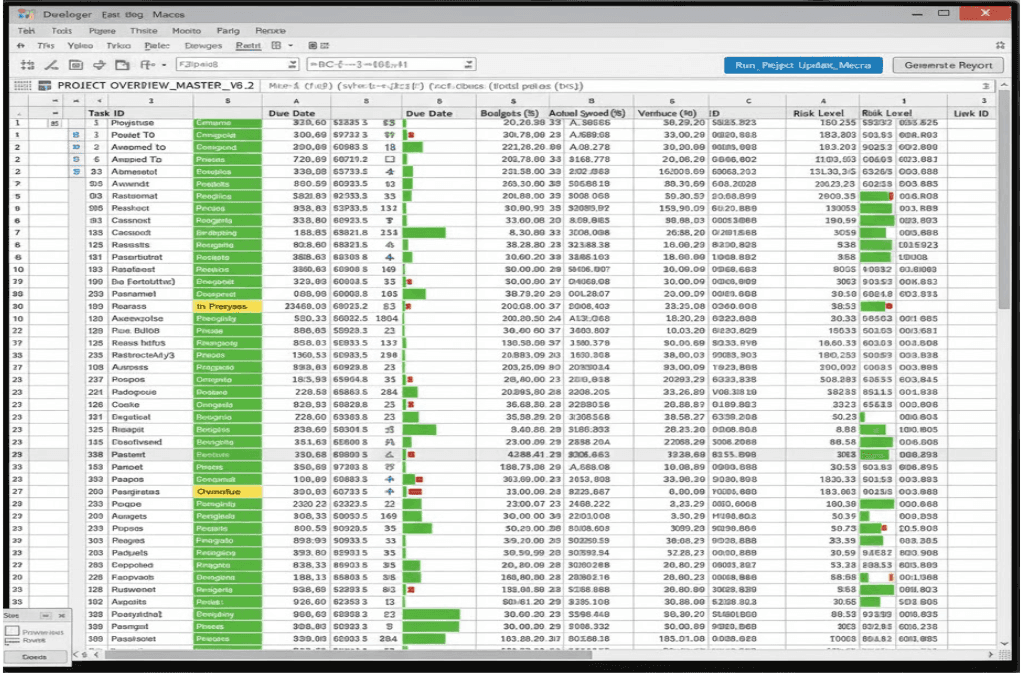
No platform, campaign tracking was done in excel
Rely on outdated internal tools
Analysts logjam workflow
Not scalable - Dependent on IT support to code

Passenger Facing User
In-Flight Team
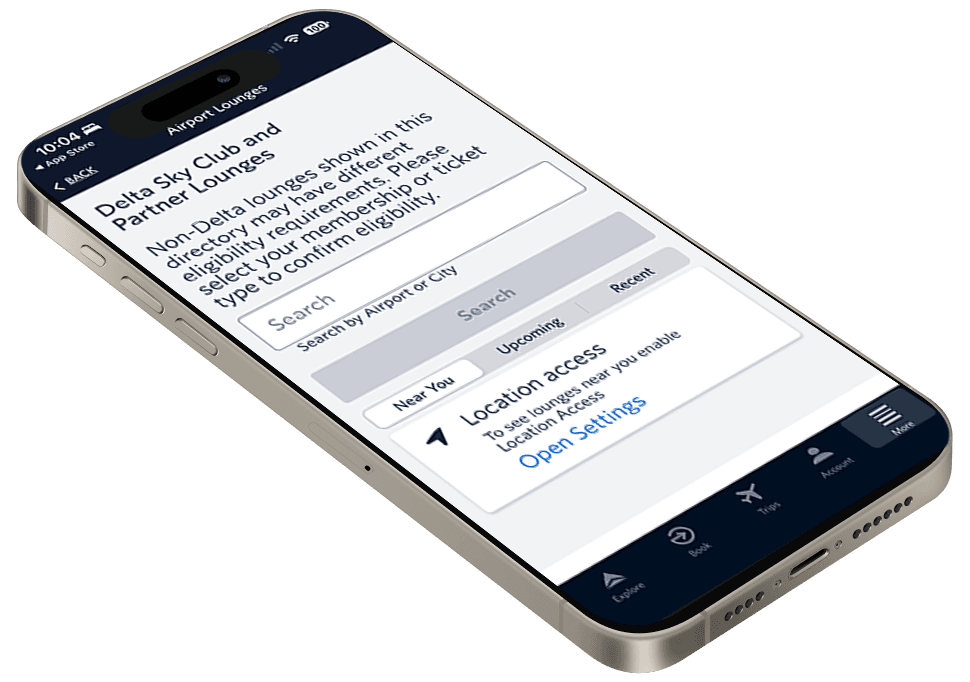
Data doesn't arrive on time to use
Data not reliable
In-flight team using workarounds
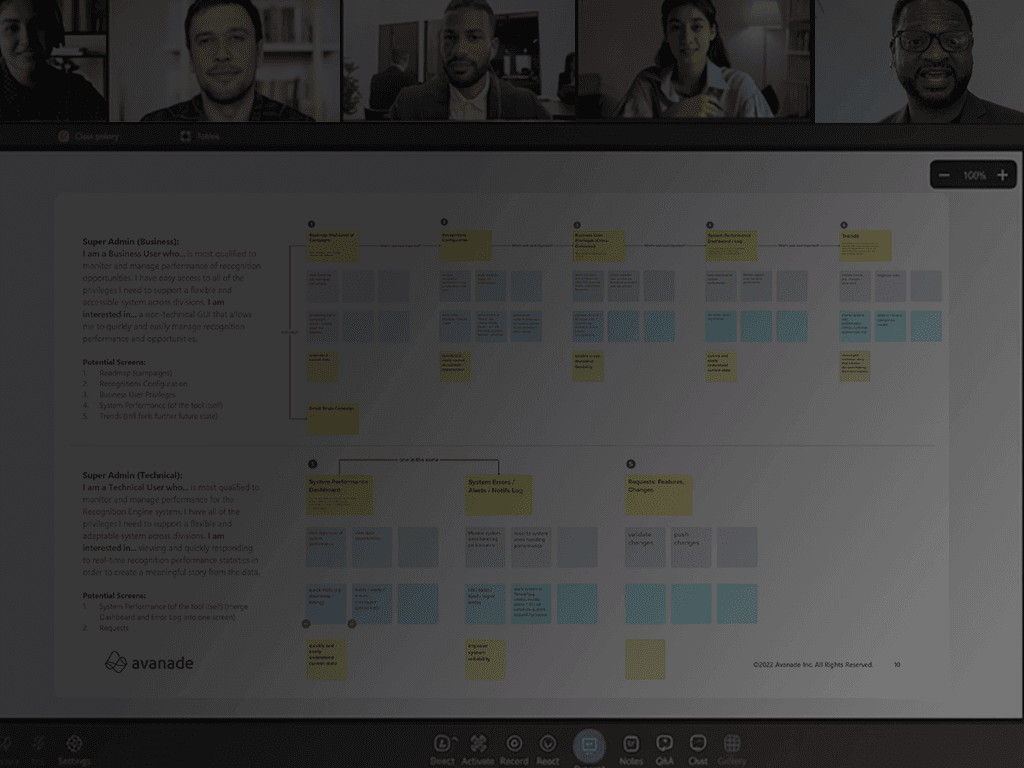
Mapping user flow reduced skepticism of the strategy

UX Provenance for design strategy
User: Tech business user
Pain: Have to manually upload data; Effort to data to insights not timely; Alignment and approval not insync
Impact: Delays in delivery of campaign data to in-flight team deters interaction with passenger.
Reimagined the blindspots
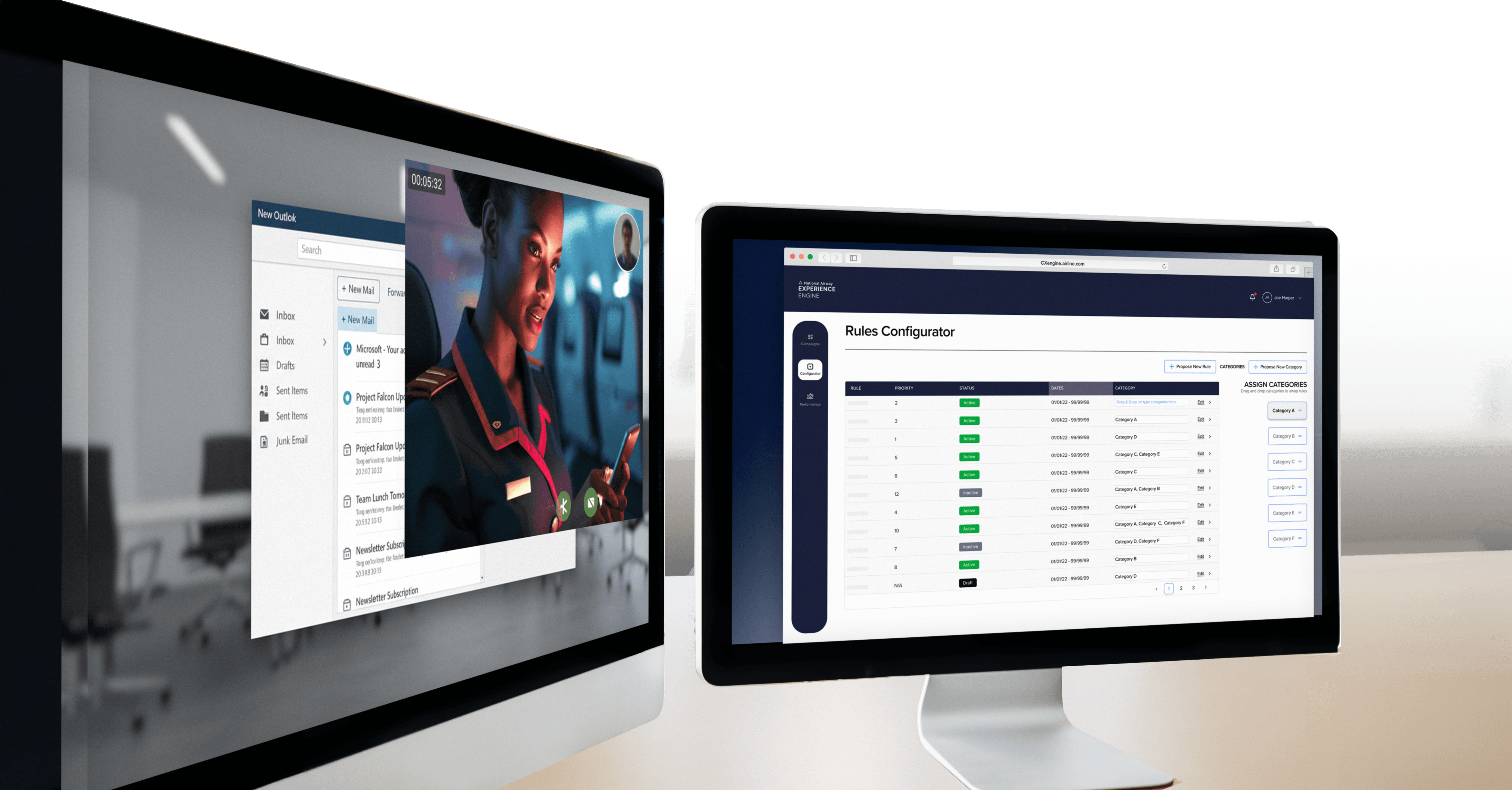
Identified 5 key moments stalling the workflow (Manage campaigns, add/edit rules, apply campaigns across flights, campaign detail) and designed interactive prototype.
The client rejected the technical team's platform recommendation, instead the client chose to defer the platform decision to a time beyond the project timing. As a result; I had to lead an interactive prototype design with our realistic specs on what we would actually build.
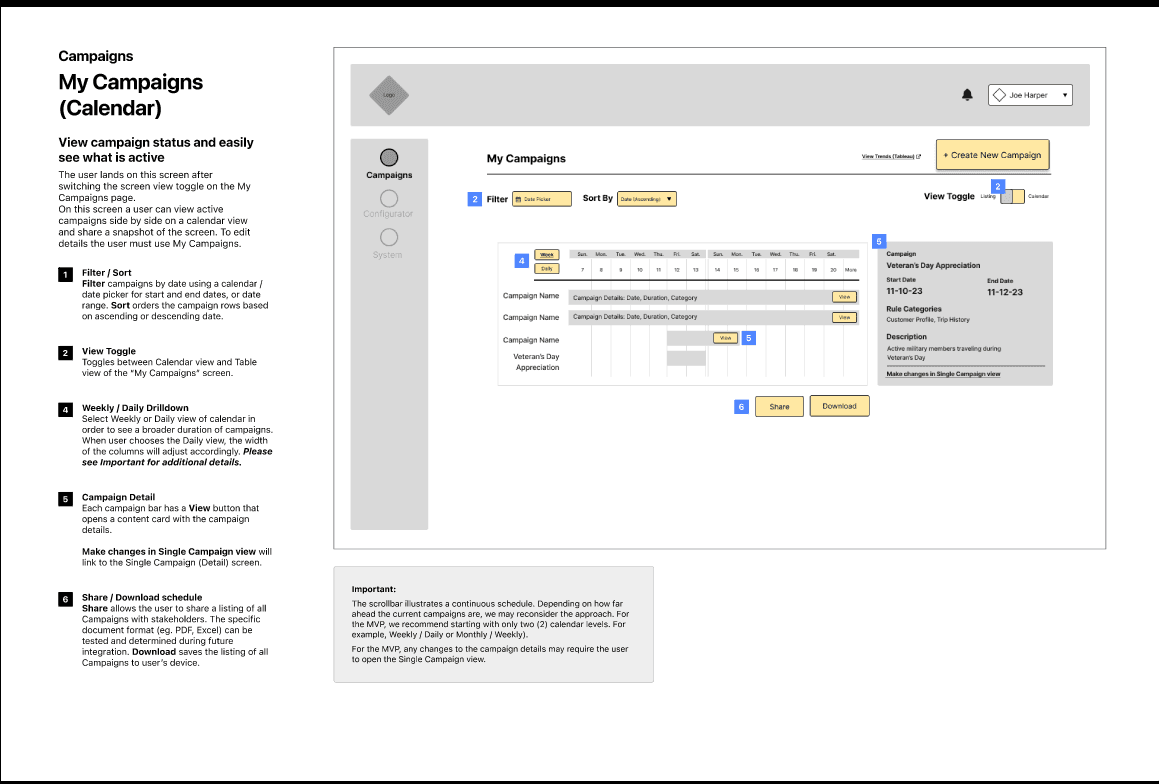
Find a Campaign among hundreds of flights
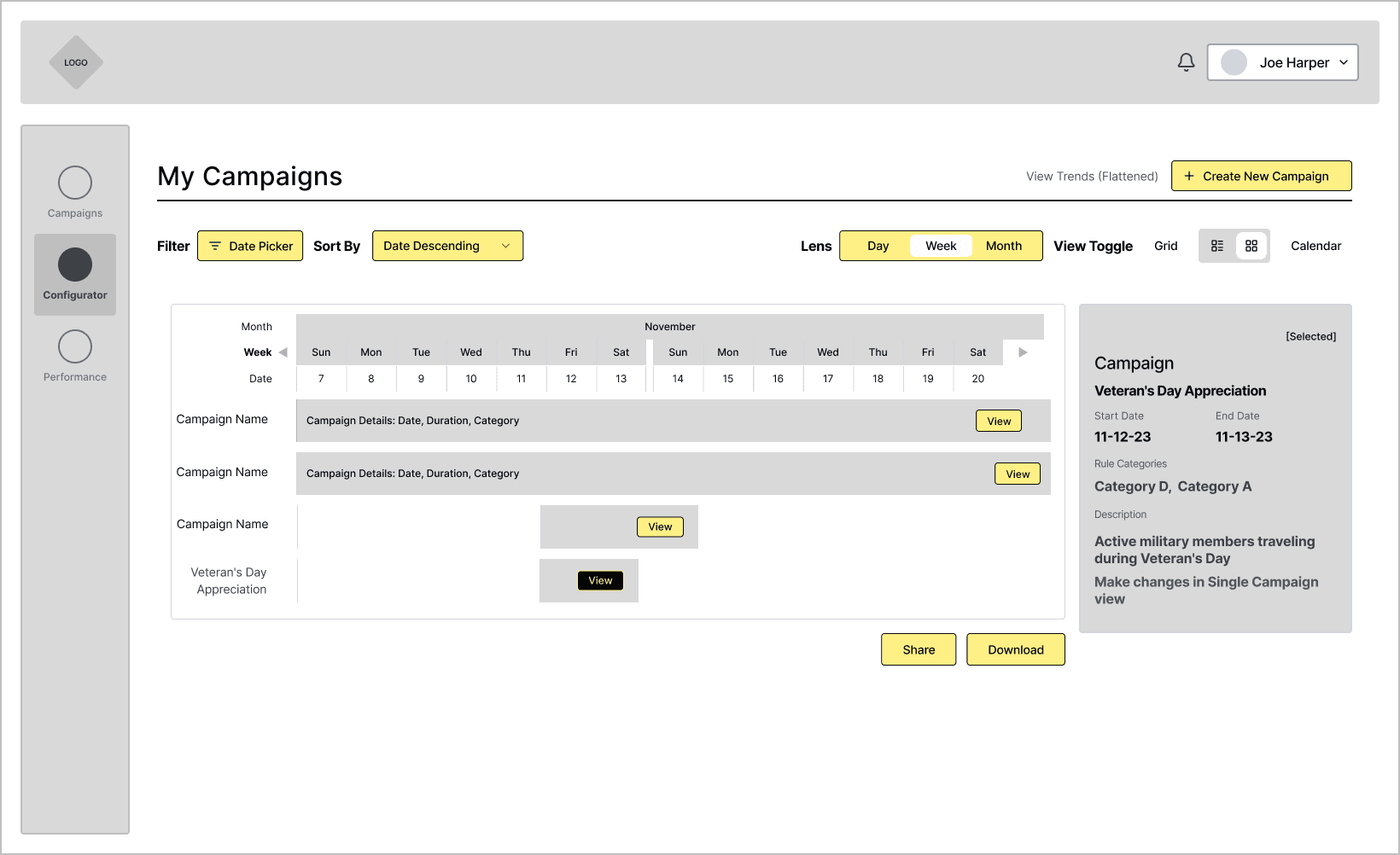
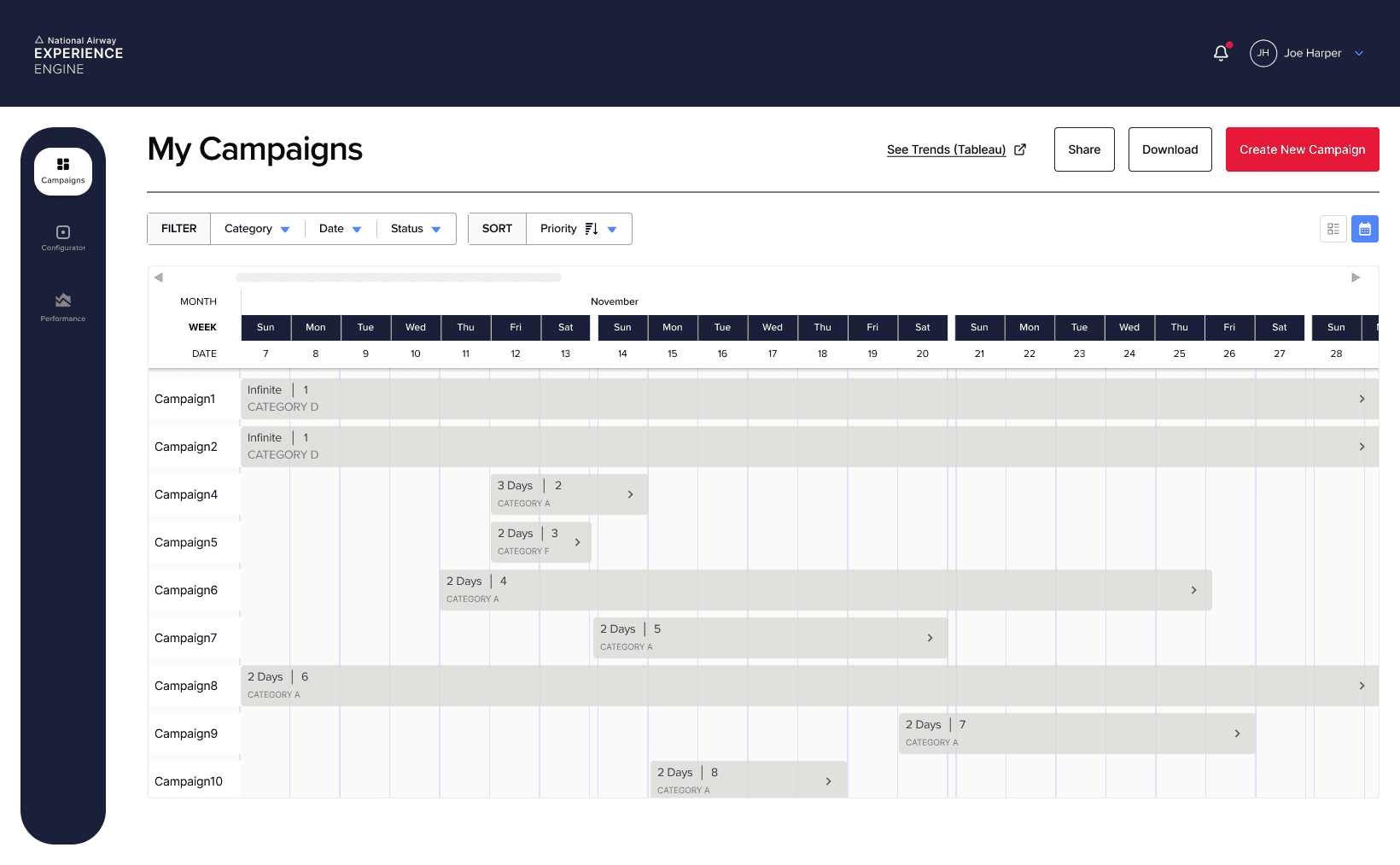
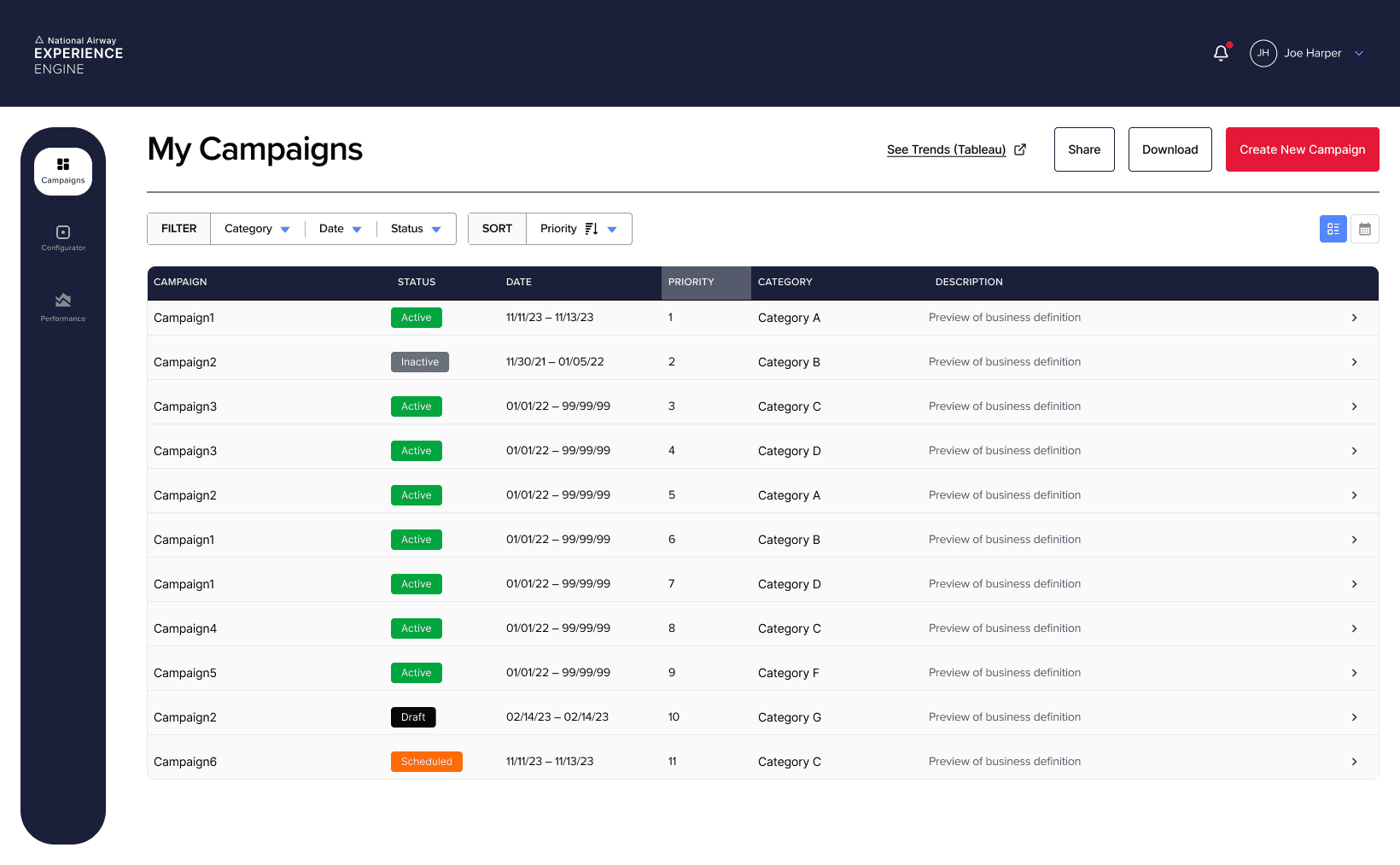
Apply campaigns across flights
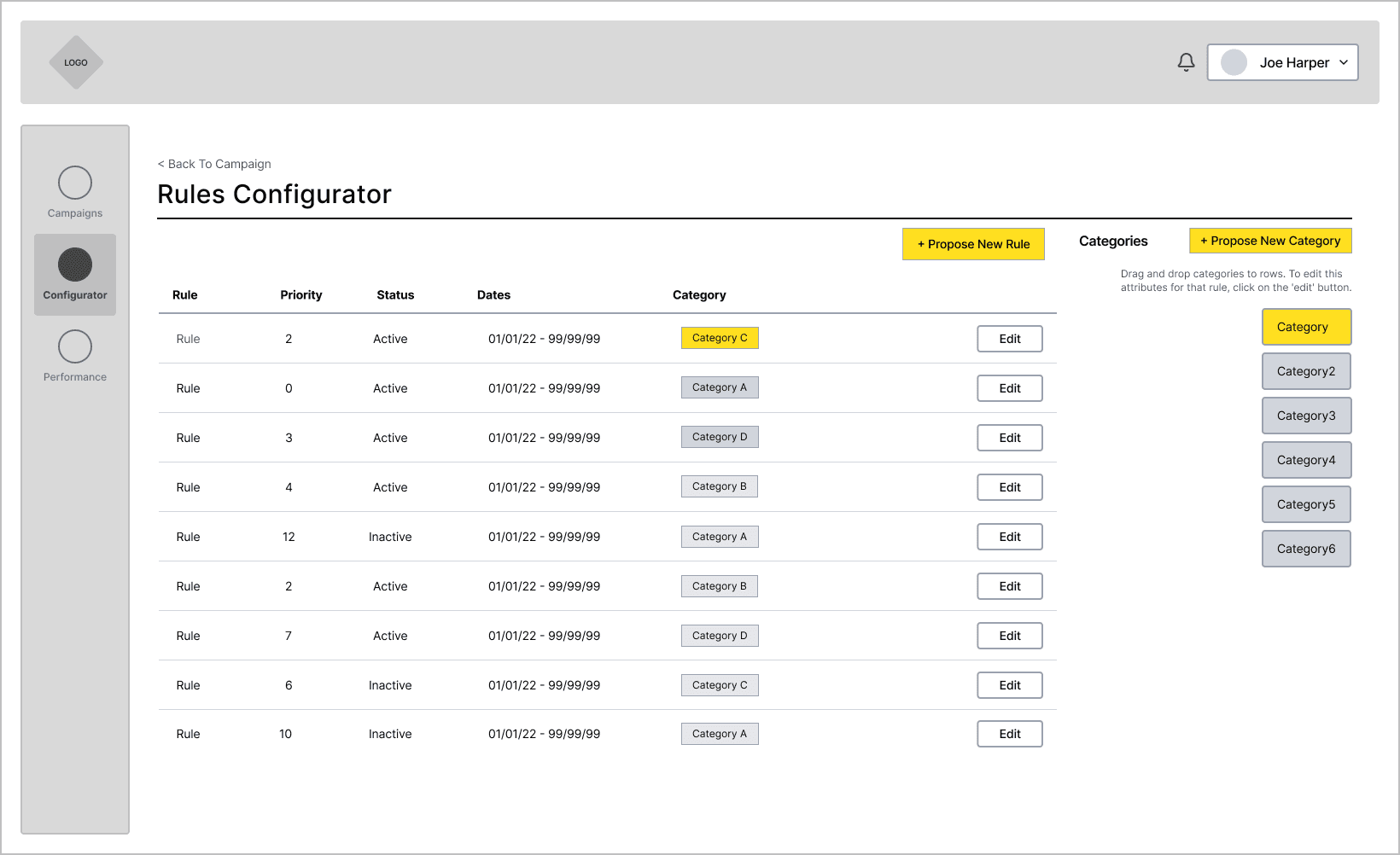
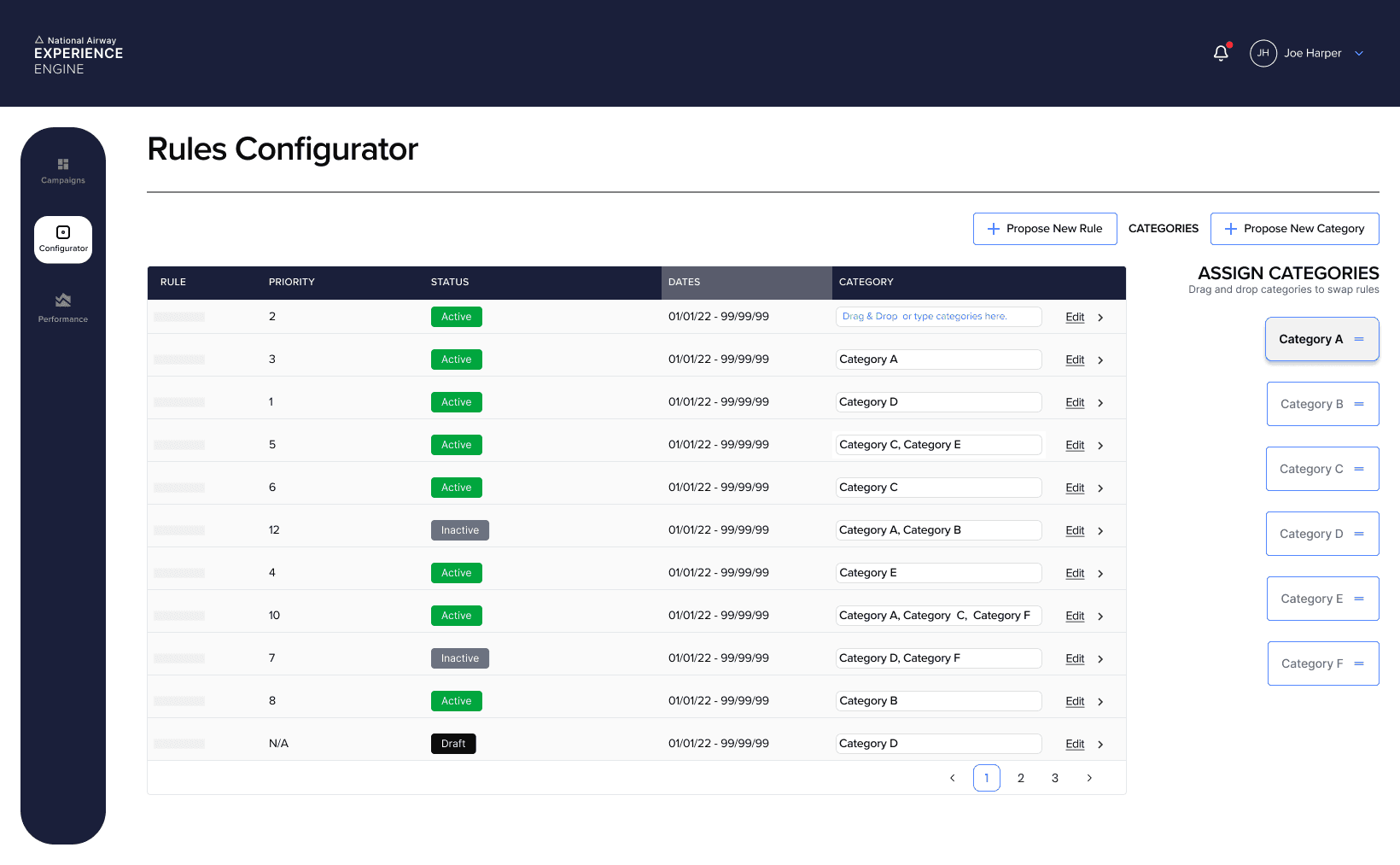
Apply rules across different flights; easier to manage flight and customer segments
Reduced IT dependence
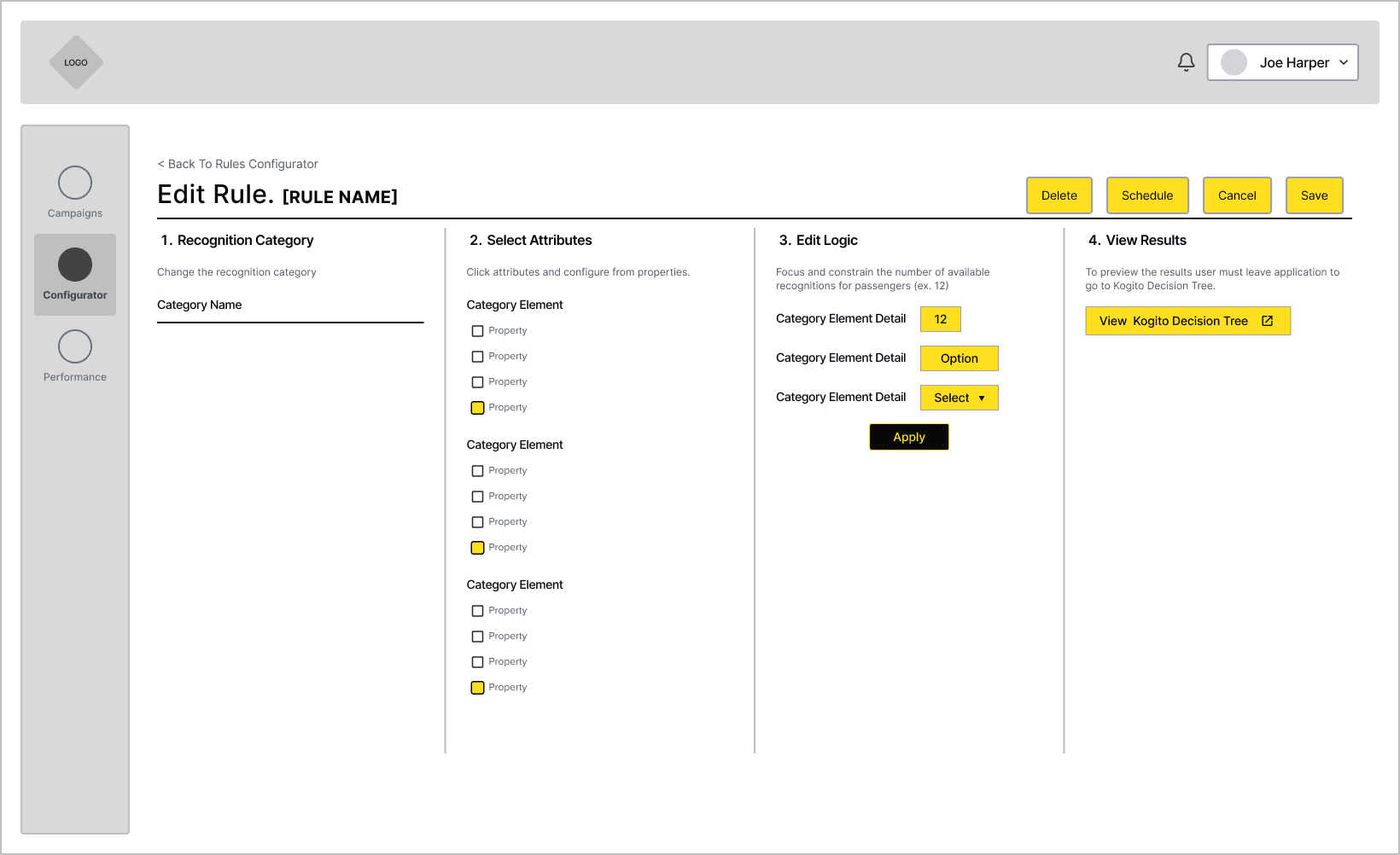
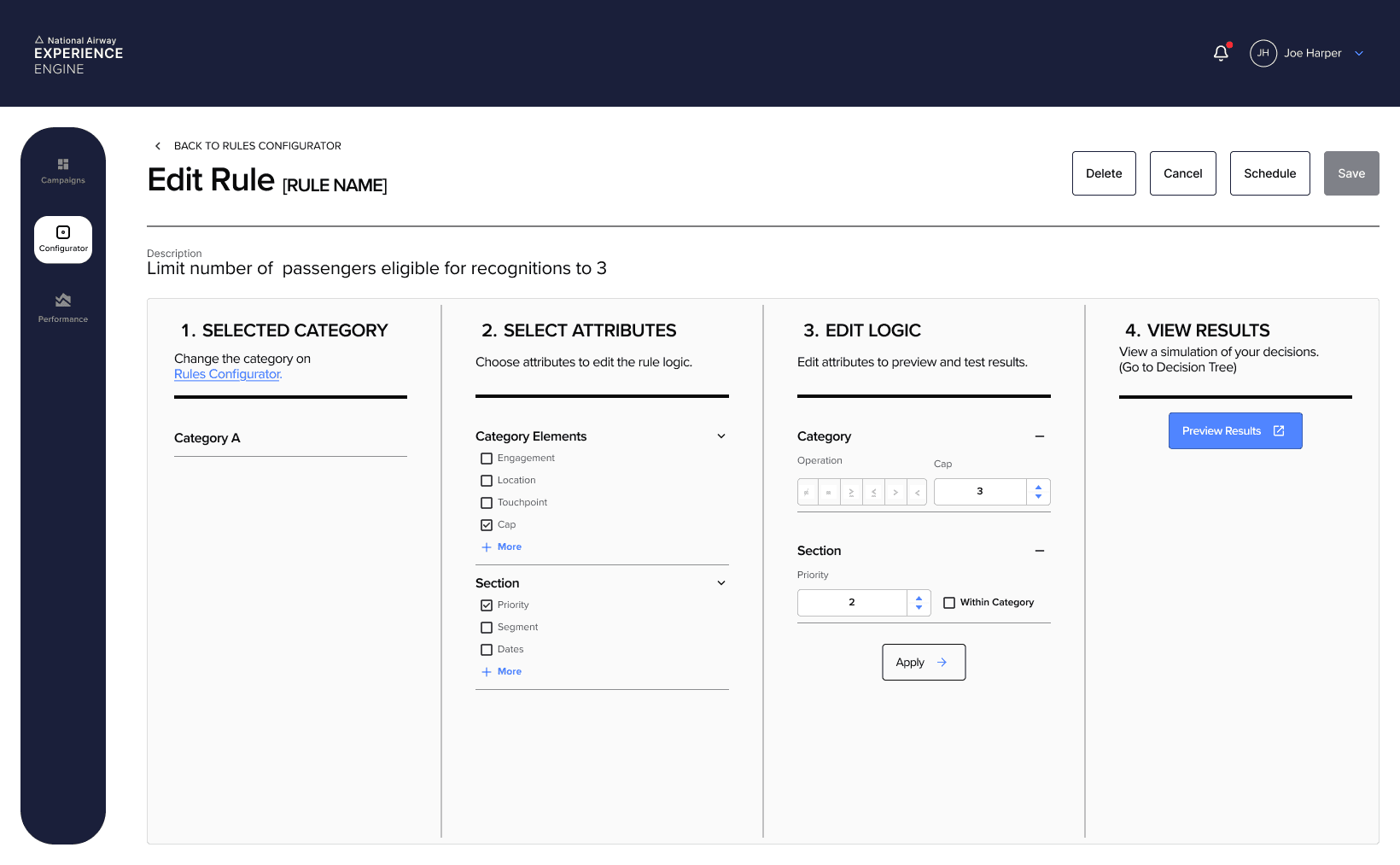
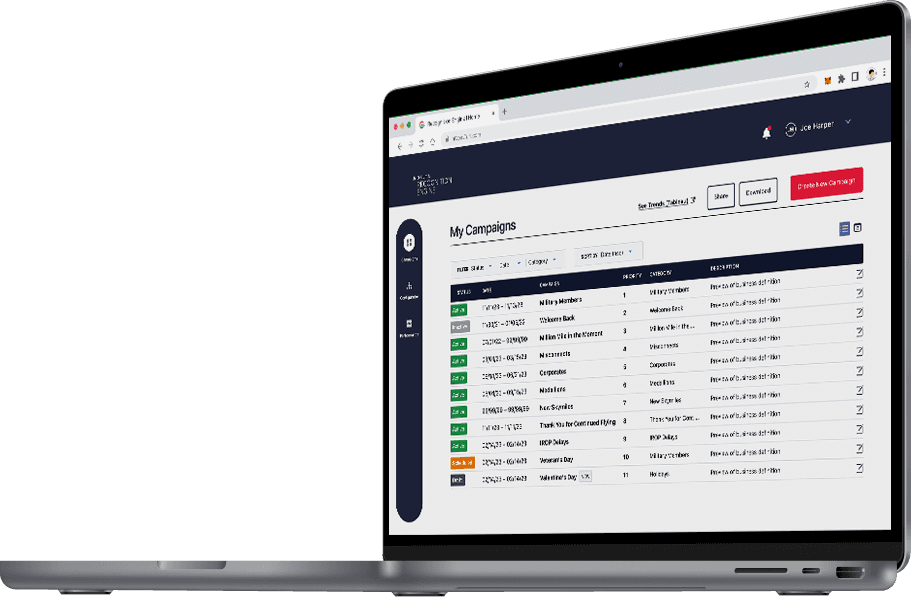
Resulting Design
User-friendly backend translates to magic for passenger
The shift gave crew context and freedom to create meaningful moments passengers actually feel.